Why Your Skin Changes With the Season
And why the season of letting go is also the season to renew.
There's a moment every October when it happens. The light softens over the bay, the heating clicks on, and your skin seems to change almost overnight. It feels tight after cleansing. Flaky patches appear around your nose and brows. Your cheeks flush the second you step in from the cold seafront to a warm room.
You're not imagining it. Autumn is one of the busiest times of year for skin flares, with dryness, redness and rosacea all showing up more. It's also one of the best times of year to invest in skin renewal. Here's why.
Why autumn is hard on skin
The air gets drier, indoors and out. Cold air holds less moisture, and central heating dries it further. Your skin barrier (the outermost layer that keeps water in and irritants out) loses water more quickly in dry air. The result is that familiar tightness, flaking and a skin that suddenly reacts to products it tolerated all summer.
Temperature swings. Moving between cold wind and warm rooms makes the small blood vessels in the face dilate and constrict. For anyone with rosacea, heat, cold and wind are among the most commonly reported triggers. That's why so many people notice more flushing and redness at this time of year.
Summer's legacy. Months of sun, salt water, chlorine and long bright evenings leave their mark. Pigmentation, dehydration and a dull, uneven texture often surface in early autumn, once the glow fades.
Shorter days, busier lives. Back-to-school and back-to-work routines, less daylight, later nights. Sleep and stress show up in our skin, often before we notice them anywhere else.
The Chinese medicine view
In Traditional Chinese Medicine, autumn belongs to the Metal element and to the Lung. The Lung is said to govern the skin, and dryness is the climatic influence of the season. So it makes sense to a TCM practitioner that autumn shows itself first in a dry nose, a scratchy throat and skin that feels parched.
The traditional advice is simple: moisten, nourish and protect. Think cooked pears with a little cinnamon, warming soups and stews, sesame seeds, oats, and plenty of warm drinks instead of iced ones. Autumn is also the season of turning inward, and it's a natural time to slow down and look after what we'll need for the winter ahead.
Caring for your skin this season
A few small changes make a real difference:
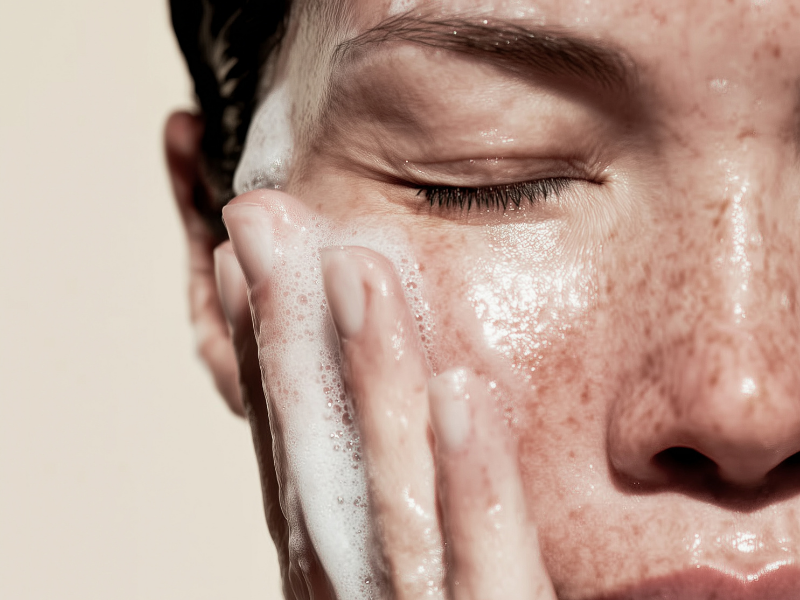
Switch to a gentler cleanser. Swap foaming washes for a cream or milk cleanser that doesn't strip the skin.
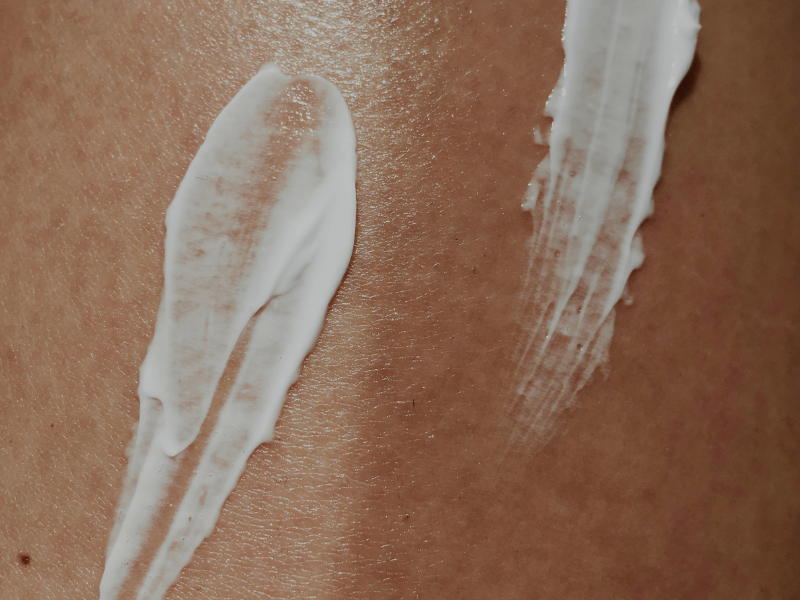
Layer your hydration. Apply a hydrating serum to slightly damp skin, then seal it in with a richer moisturiser.
Keep your SPF. UV levels drop in autumn, but they don't disappear.
Go lukewarm. Hot showers feel wonderful on a cold evening, but they're hard on a dry or reactive skin.
Add moisture to the air. A humidifier, or even a bowl of water near the radiator, helps in a heated bedroom.
Notice your triggers. If you flush easily, keep a simple note of what sets it off: wind, alcohol, spicy food, hot drinks, stress. Patterns become clear quickly.
If you have persistent redness, bumps, sore or gritty eyes, or your skin changes suddenly, it's worth having it properly assessed by your GP or a dermatologist. Rosacea is a recognised medical condition, and you deserve a clear picture of what's going on.
Why autumn is the time to invest in renewal
This is where autumn really comes into its own. Treatments that work with the skin's own repair processes, like micro-needling and cosmetic acupuncture, suit this time of year particularly well.
Lower sun, easier aftercare. After regenerative treatments, skin is more sensitive to the sun for a while. With softer autumn light and fewer days spent outdoors, aftercare is simpler and the skin can recover undisturbed.
Repairing summer. Autumn is the natural moment to address the texture, pigmentation and dehydration the summer leaves behind.
Renewal takes time. The skin's repair and collagen-building response unfolds over weeks and months, not days. A programme started in October builds quietly through the winter, so your skin is in its best shape for the darker months, the festive season and into spring.
Fewer swims, less sweat. Many treatments ask you to avoid swimming, saunas and hard exercise for a short time afterwards. That's much easier in October than in July.
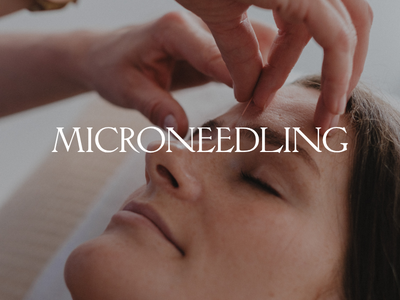
Microneedling uses very fine needles to create tiny, controlled channels in the skin. These prompt the skin's natural wound-healing response, which is associated with new collagen and elastin. It's often used for uneven texture, fine lines, enlarged pores, acne scarring and pigmentation.
At Escapada, treatments are carried out with the Micro Injector Lithium pen - a medical-grade pen. Our Micro-needling programmes are led by senior practitioner Kathryn O'Boyle.

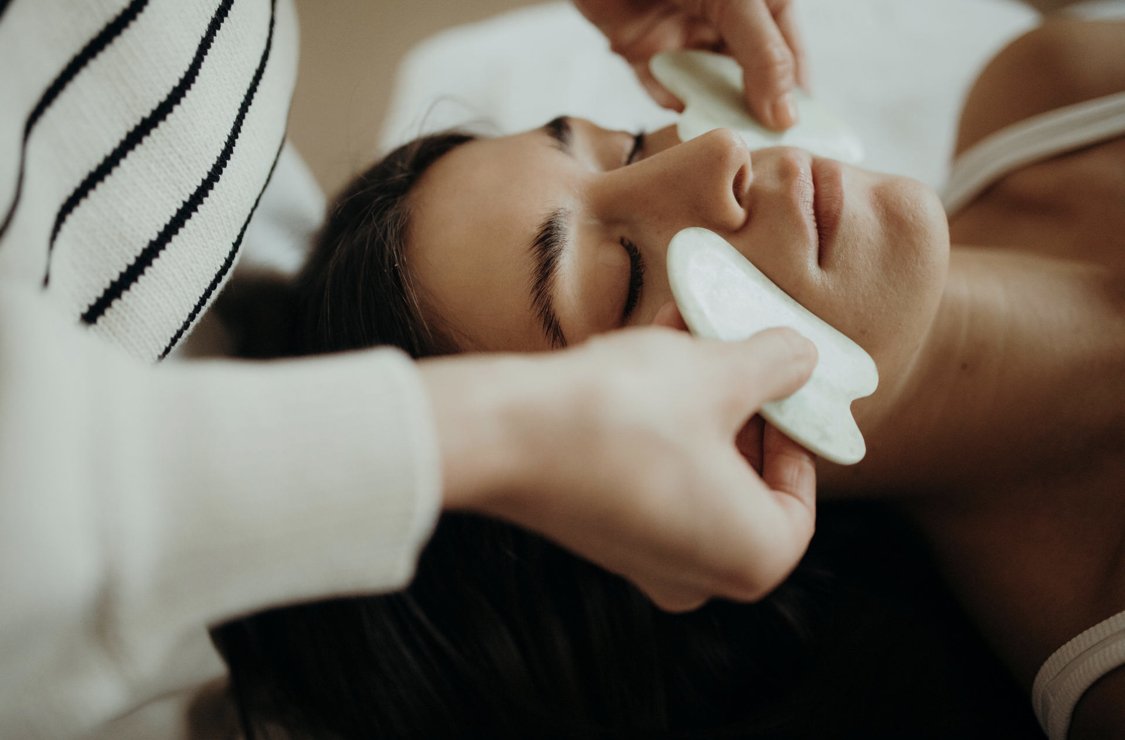
Our Escapada Signature Facial Rejuvination Programme brings together cosmetic acupuncture, microneedling, gua sha, facial cupping and clinical grade peptide masks. Alongside the facial work, we include constitutional acupuncture, because your skin reflects your sleep, digestion, hormones and stress. Running over six or twelve weeks, it's designed for the steady, cumulative work that autumn invites. With optional Celluma Red Light Therapy.
A note for sensitive and rosacea-prone skin
Micro-needling isn't right for every skin at every moment. It isn't suitable during an active rosacea flare, with active eczema or broken skin, or with certain medications. That's why every treatment starts with a consultation. For reactive skin, we may begin with gentler, needle-free work, such as our Hayo'u gua sha facials and constitutional acupuncture, and build from there as your skin settles. Or why our Escapada Signature Skin journey triumphs as the cosmetic acupuncture gently prepares your skin for the micro-needling at session 3 or 4.
Autumn asks us to let go of the summer and prepare for what's ahead. Your skin is no different. Give it a little extra care now, and it will carry you well through the winter.