Chinese Medicine

The Soft Side of Longevity: Ancient Wisdom for Modern Health


Longevity has become one of the defining wellness conversations of our time.

We track our sleep, monitor our recovery, optimise our nutrition and invest in countless strategies designed to help us live longer. Yet despite having more health information than ever before, many people feel increasingly disconnected from their own wellbeing.

We know more, but we don’t necessarily feel better. Perhaps the problem is not a lack of knowledge but that health has become another form of performance.

In a culture that values productivity, efficiency and constant improvement, wellness can easily become an extension of the same mindset. What we see in clinic on a daily basis: people approach their bodies as projects to optimise, problems to solve or systems to perfect. But what if longevity requires a different approach?
A Different Perspective on Longevity

The healthiest life may not be the most optimised one, but the most connected, nourished and regulated.


Chinese Medicine: a different perspective

For thousands of years, Chinese Medicine has approached health through a remarkably simple question: How do we nourish life?

Rather than asking how we can control the ageing process, in Chinese medicine we invite people to consider how to cultivate vitality throughout the years we are given.

For thousands of years, the concept of Yang Sheng, often translated as “nourishing life,” has formed a cornerstone of Chinese Medicine. At its heart is the understanding that health is not created through isolated interventions, but through the cumulative effect of our daily habits, our relationship with stress, the quality of our rest and our ability to live in alignment with our changing needs.

From this perspective, longevity is not measured solely by lifespan. It is reflected in the quality of our energy, our capacity to adapt, the resilience of our body and mind, and our ability to remain engaged with life as we age.

most important step: Regulation Before Optimisation

This way of thinking feels particularly relevant today, as many people find themselves caught between the pursuit of better health and the pressure that often accompanies it. Wellness, much like productivity, has become something to master. The intention may be positive, yet the result is often a subtle sense that we are never quite doing enough.

The irony is that many of the behaviours designed to improve health can easily become another source of stress. A body that is constantly being monitored, corrected and pushed towards improvement has little opportunity to settle into the state that allows healing and restoration to occur.

What healing often requires is something far less complicated.



It begins with paying attention

In a world that moves increasingly fast, many of us have become accustomed to looking outside ourselves for answers. We search for the next protocol, the next supplement, the next expert opinion, often without pausing to ask a much simpler question:

How am I actually feeling?
Am I energised or exhausted?
What gives me energy, and what consistently drains it?
What helps me feel grounded, nourished and connected?
What do I need more of right now?

These questions may seem deceptively simple, yet they form the basis of a genuine relationship with the body. Healing rarely begins with optimisation. More often, it begins with awareness. It begins with creating enough space to listen to what the body and mind have been communicating all along.

Modern research continues to highlight the relationship between chronic stress and nearly every aspect of health, from sleep and digestion to hormone balance, immunity and recovery. Chinese Medicine has long recognised this principle through a different language, understanding that the body functions best when it has the capacity to adapt rather than simply endure.

This is why, at Escapada, we believe that regulation comes before optimisation. Before we ask the body to perform, we must first help it feel safe. Before we focus on productivity, performance or longevity, we must understand what supports vitality in the first place.

Before you optimise, create stability

At Escapada, this understanding forms the foundation of what we call the Escapada Method. Rather than focusing on isolated symptoms or quick fixes, the method recognises that health is cultivated through an ongoing relationship with the body and supported through four interconnected principles: Treat, Nourish, Move, Restore.

Treat

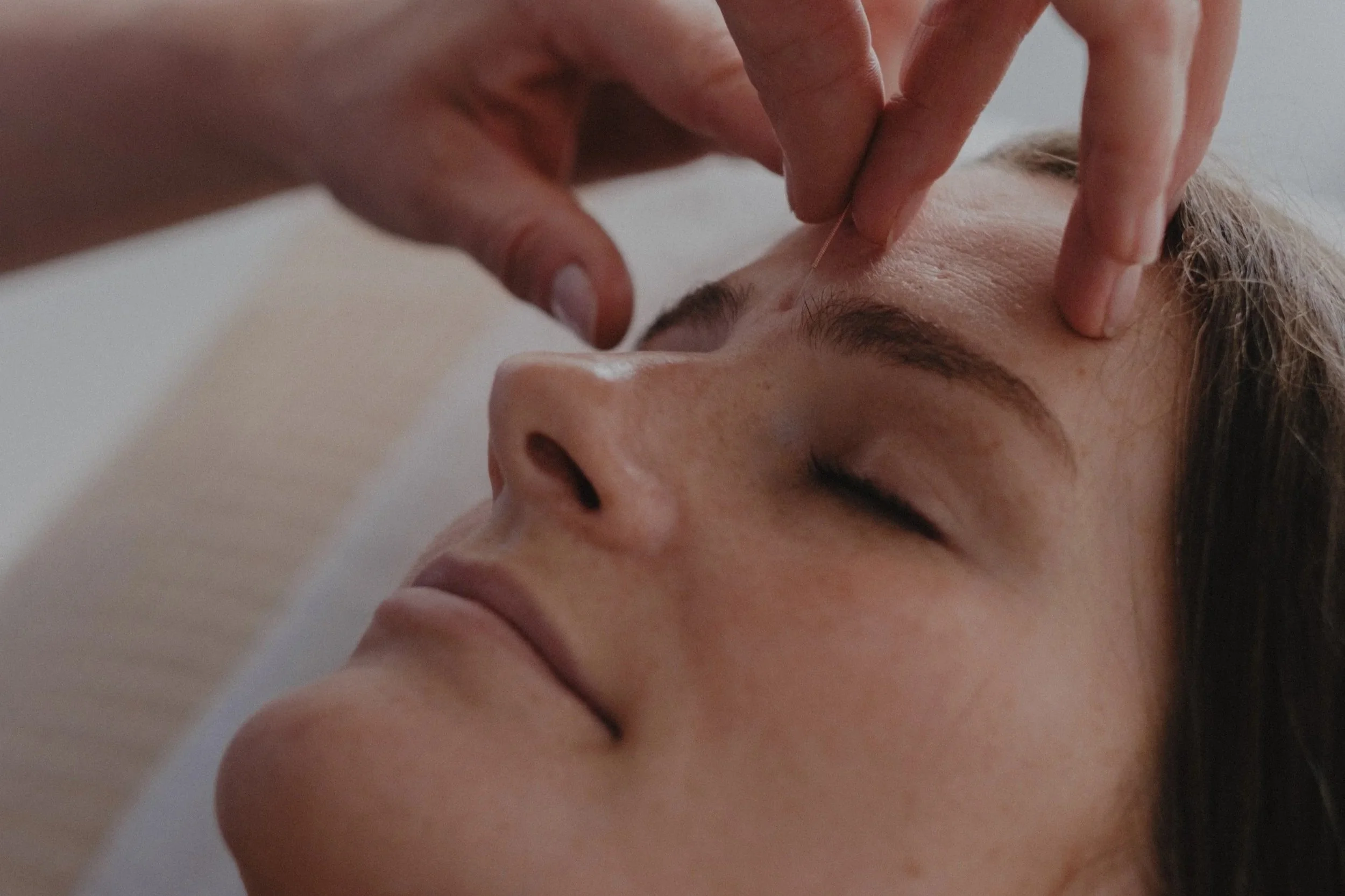
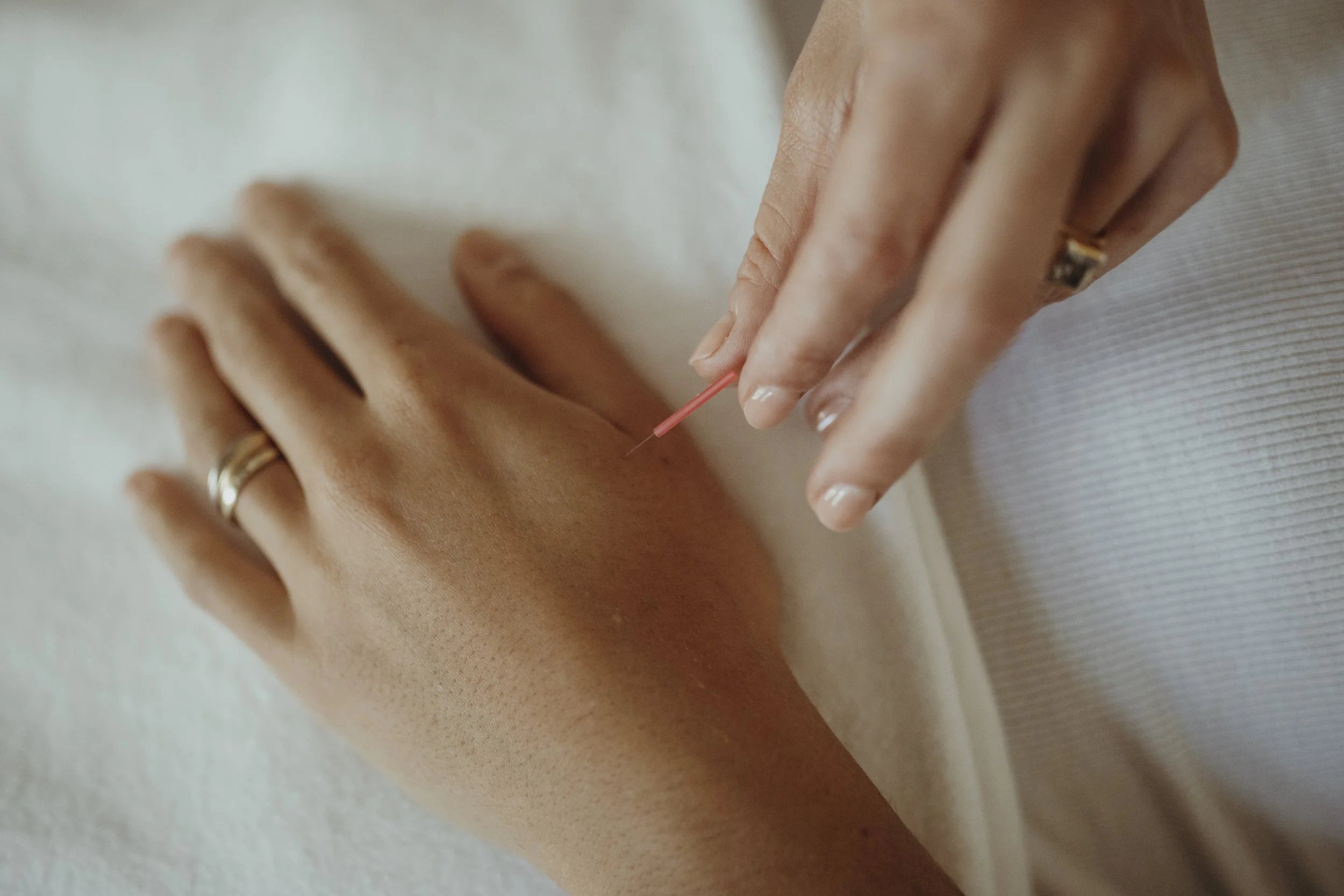
Treat begins with listening. Whether through Chinese Medicine, acupuncture or a deeper awareness of the body’s signals, treatment is not simply about addressing symptoms but about understanding what the body is communicating and creating the conditions for balance to return.

Nourish

Nourish extends beyond nutrition alone. It includes the food we eat, the quality of our relationships, the environments we spend time in and the experiences that replenish rather than deplete us. Nourishment is not about restriction or perfection, but about providing the body with what it genuinely needs to thrive. Nutrient deficiencies, digestive imbalances and poor absorption can affect everything from energy and mood to sleep, hormone balance and resilience.

Move

Move reflects the understanding that vitality depends on circulation, adaptability, strength and flow. Movement should support long-term stability, energy and resilience, helping us maintain a healthy relationship with our bodies throughout different stages of life.

Restore

Restore acknowledges something modern culture often overlooks. The body regenerates through sleep, recovery and moments of pause. These are not luxuries reserved for when everything else has been completed; they are essential biological processes that allow healing, repair and renewal to take place.
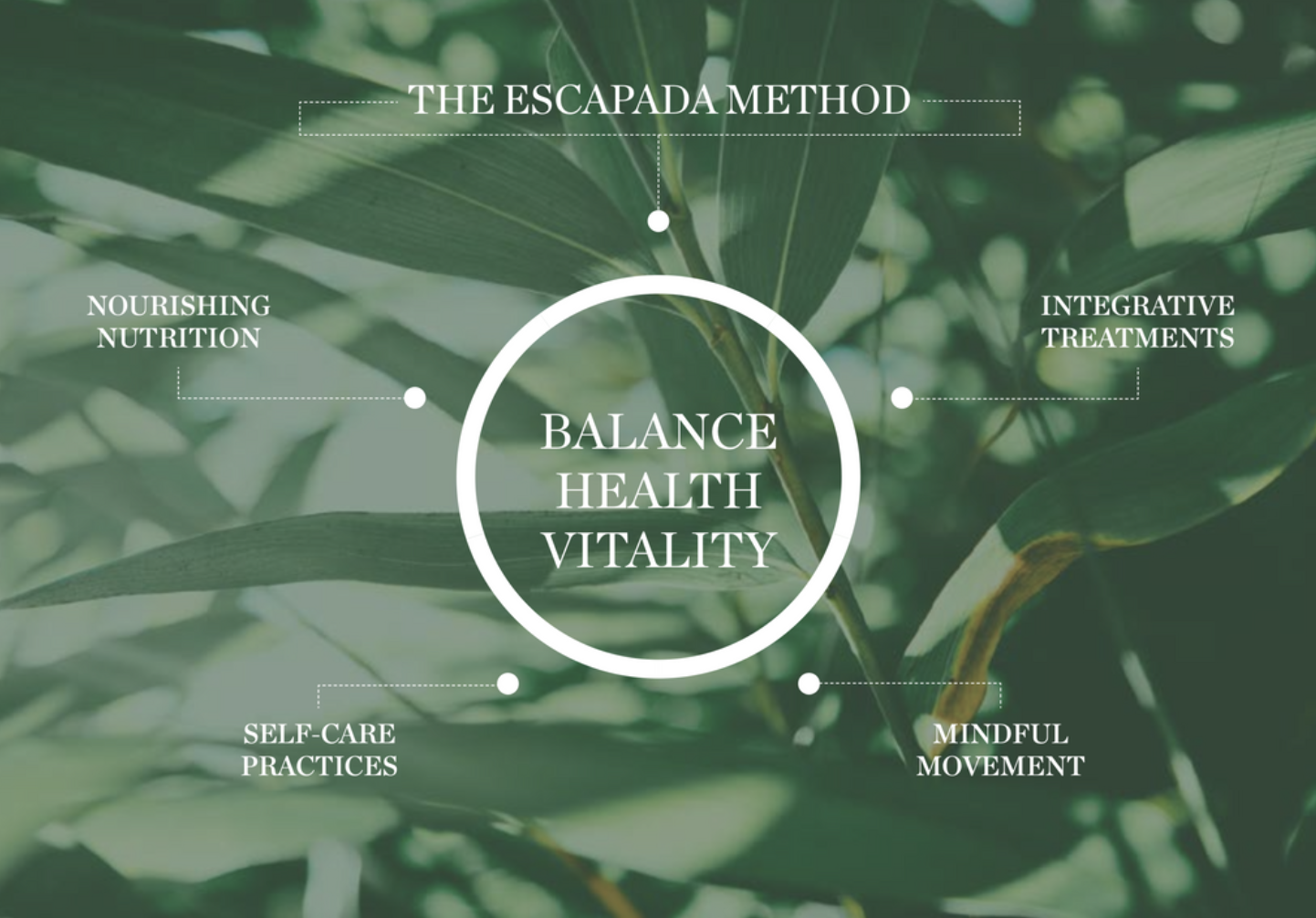
 

Together, these four principles offer a different way of thinking about longevity.


A Softer Vision of Longevity

The future of longevity may not be found in increasingly sophisticated ways of measuring ourselves, but in a renewed appreciation for the fundamentals that have supported human health for generations.

Nourishing meals shared with others, movement that keep us strong and flexible at the same time and feels enjoyable, sufficient rest, meaningful connection and self-care practices that help us feel more grounded in ourselves and the world around us remain among the most powerful influences on long-term wellbeing.

Looking through the lens of the Escapada Method, longevity becomes less about extending life and more about creating the conditions in which vitality can flourish. It means treating the body with attention rather than frustration, nourishing it with what genuinely sustains us, moving in ways that support energy and resilience, and allowing enough time for restoration that healing can occur naturally.
A Different Way to Think About Your Health

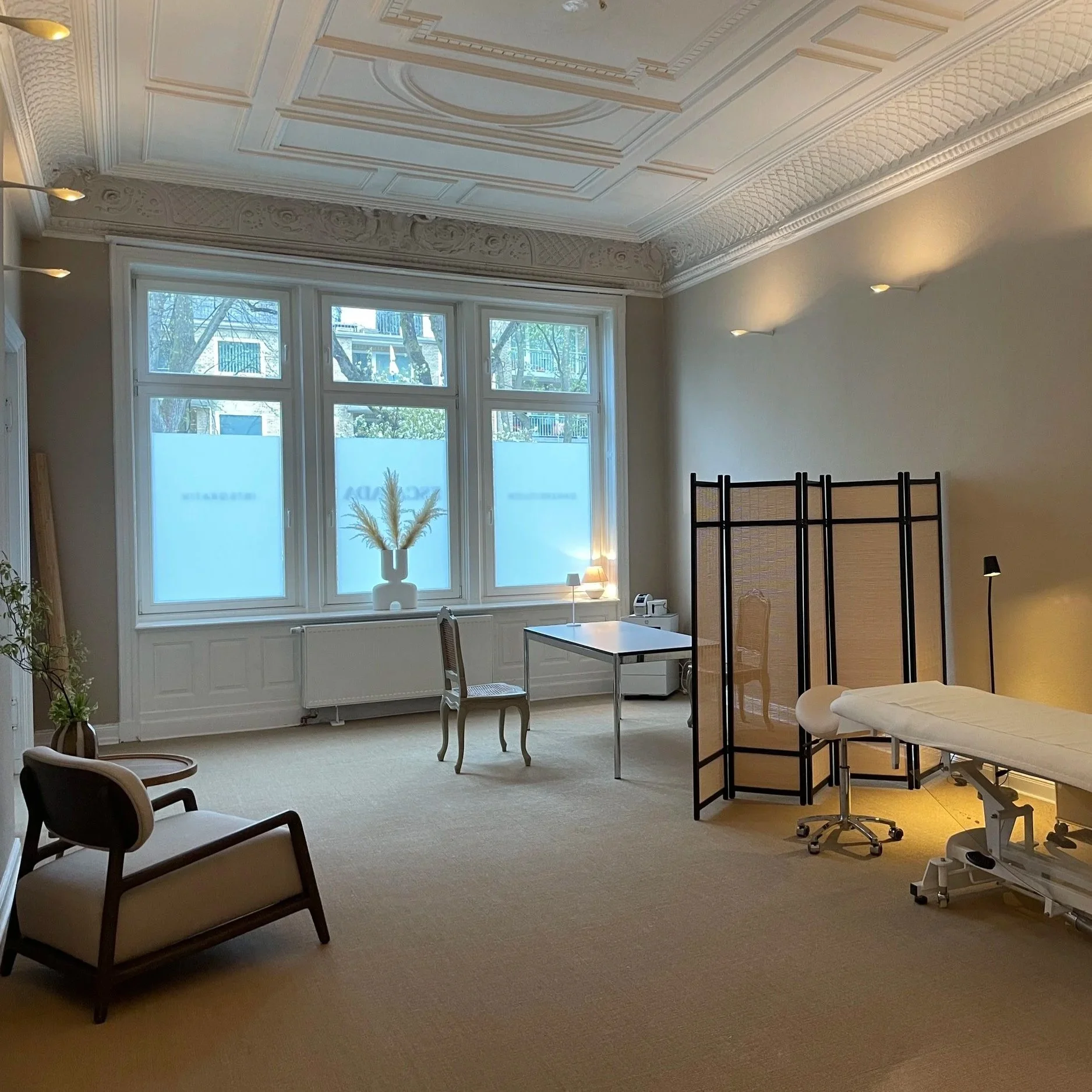
While the principles of Treat, Nourish, Move and Restore may sound simple, the way they come together is deeply individual. Get your health plan to guide you!

Many people come to us because they feel disconnected from their energy, their health or their body. Sometimes there are clear symptoms. Sometimes there is simply a feeling that something feels out of balance.

We believe that lasting health is not created through generic advice or one-size-fits-all solutions. Each person has a unique constitution, lifestyle, health history and set of challenges that influence how they feel today and how they will age in the years to come.

You do not need to wait until your body demands attention before offering it support. Whether your goal is to improve your energy, manage stress more effectively, support healthy ageing or simply feel more at home in your body, Chinese Medicine offers a powerful framework for creating long-term vitality.

Begin Your Journey

If this article resonated with you, we would love to welcome you into our Escapada clinics.

Book an individual consultation at Escapada Health and discover how our simple method can be tailored to support your health, your goals and your next chapter of life. Because longevity is not simply about living longer - It is about feeling well while you do.

We look forward to your visit!

 

Peri- & Menopause: Supporting Hormonal Changes naturally with chinese Medicine


The female body is always changing

The female body is not a static system, it is cyclical, highly intelligent, and deeply responsive to its surrounding. Hormones influence not only the menstrual cycle but also sleep, mood, energy, metabolism, skin, digestion, stress resilience and our mental and emotional balance.

From the first period to pregnancy, postpartum, perimenopause, and menopause, the body moves through many phases of change. These transitions are not signs that something is “wrong”, they are beautifully organised natural processes. But: natural does not always mean easy.

Especially during perimenopause and menopause, many women start to feel that their body reacts differently than before and very few find the right support when it’s most needed. Sleep becomes lighter, stress feels harder to regulate, energy fluctuates or symptoms appear that are difficult to explain. This is where natural and especially individualised support can make a real difference.

Perimenopause and menopause: what’s actually happening in the body?

Perimenopause describes the transition phase before the final menstrual period, which is know as menopause. The perimenopause can last several years and often starts earlier than expected. During this time, hormone levels begin to fluctuate more noticeably which often is aggravated by the small word: stress.

What many women do not know is that the most intense symptoms often happen before menopause, which is only confirmed once there has been no period for 12 consecutive months. This is why it is so helpful to seek support early, rather than waiting until symptoms become overwhelming.

Chinese Medicine & Hormones

Chinese Medicine sees hormonal changes as natural life phases shaped by the balance of Qi, Blood, Yin, and Yang.

Puberty marks the start of reproductive energy, the cycle years depend on the smooth flow of Qi and Blood, pregnancy stands for its own and menopause reflects a natural decline in Kidney energy.

Rather than treating symptoms in isolation, TCM supports each phase with balance, nourishment, and alignment.

In Traditional Chinese Medicine (TCM), hormonal transitions are not viewed as isolated events. We look at the whole person: your constitution, your energy, your stress levels, your digestion, your sleep, your cycle history, and the resources your body has available.

In TCM menopause is seen as a natural transition involving shifts in the body’s energy and vital substances. As the reproductive phase gradually winds down, the body begins to rebalance and redirect its resources. When this process is well-supported, it can unfold quite smoothly. However, if the system is already depleted, under stress, overheated, or experiencing stagnation, symptoms may feel more pronounced.

Rather than focusing solely on what symptoms are present for you, TCM looks deeper to understand why the body is expressing them at this particular time.

This is why two women experiencing the same issue—such as night sweats—may require very different treatment approaches, each tailored to their underlying pattern of imbalance

Common TCM patterns during perimenopause & menopause

Yin deficiency: when the body lacks cooling

Yin deficiency is one of the most common patterns we see during perimenopause and menopause. Yin represents the cooling, calming, moistening, and nourishing aspect of the body.

When Yin is depleted, the body can feel internally overheated, even though energy may also be low.

Common signs include:

  • hot flashes

  • night sweats

  • dry skin or dryness

  • restless sleep

  • inner agitation

  • feeling “wired but tired”

In treatment, we at Escapada focus on nourishing Yin, calming the nervous system, and helping the body return to a deeper sense of internal stability.

Liver Qi stagnation: when stress gets stuck in the body

Stress is one of the biggest amplifiers of hormonal symptoms. In TCM, the Liver is responsible for the smooth flow of Qi. When emotional pressure, tension, or stress builds up over time, this flow can become blocked.

This often shows up as:

  • irritability

  • mood swings

  • tension in the jaw, neck, or shoulders

  • PMS-like symptoms

  • breast tenderness

  • feeling emotionally stuck

  • shallow breathing or tightness in the chest

Many women describe this as feeling tense, reactive, or unable to fully relax, even when they are exhausted.

Here, treatment focuses on moving Qi, releasing tension, supporting emotional regulation, and helping the nervous system shift out of constant alert mode.

Yang & blood deficiency: when the body needs nourishment

Some women experience menopause less as heat and agitation, and more as depletion.

With Yang deficiency, the warming and activating energy of the body is low. This can lead to

  • cold hands and feet

  • fatigue

  • water retention

  • weight gain

  • low motivation.

With blood deficiency, the body lacks nourishing substance. This may show up as:

  • dry skin and hair

  • dizziness

  • poor concentration

  • light sleep

  • brittle nails

  • general tiredness

These patterns often appear in women who have been pushing through for a long time, sleeping too little, caring for others, working under pressure, or recovering from years of stress. In these cases, the body does not need more pressure. It needs warmth, nourishment, rhythm, and consistent support.


Many women experience changes such as:

  • irregular cycles

  • heavier or lighter bleeding

  • sleep disturbances

  • mood swings: lack of joy, frustration, anger, depressive thoughts…

  • hot flashes or night sweats

  • inner restlessness and anxiety

  • more noticeable PMS symptoms

  • lower stress tolerance

The ESCAPADA Method: hormonal support on four levels

At our Escapada clinics in Dublin and Hamburg, we approach hormonal transitions through a truly holistic lens- centered around the individual, not just the condition. Instead of focusing on isolated symptoms, we work together with each person to understand patterns, needs, and resources, creating tailored solutions that support the body as a whole.

Our Escapada Method is built on four interconnected pillars: Treat, Nourish, Move and Rest.


Integrative Treatments

Through acupuncture, Chinese medicine, manual therapy and, where appropriate, anlongside integrative solutions such as hormonal replacement therapy, we support your body’s ability to regulate and rebalance.

In perimenopause and menopause, this may mean calming the nervous system, reducing stress in the body, clearing heat, supporting sleep, moving stagnation or rebuilding energy, Yin and Blood. The treatment is always adapted to your individual pattern and phase of life.

Nourishing nutrition

Food can be a powerful way to support hormonal change. In TCM, we look not only at nutrients, but also at how food affects warmth, digestion, energy and inner balance. Warm, regular and nourishing meals can help stabilise energy, support digestion and give the body a stronger foundation during hormonal transition.

Mindful movement

Movement helps Qi flow and supports the body in releasing stress and tension. During perimenopause and menopause, the right kind of movement should support you, not deplete you. Yoga, Pilates, walking, mobility or gentle strength work can help create more stability, circulation and ease in the body.

Peaceful Rest

Rest is essential for hormonal balance. When the nervous system is constantly activated - under stress - symptoms often become stronger. Through regular acupuncture sessions, acupressure, breathwork, sleep rituals and simple self-care tools, we help your body return to a deeper sense of calm and regulation.


Your individual plan

The Escapada Method brings these four pillars together in a way that fits your body and your life. Instead of treating symptoms separately, we look at the patterns behind them and create a personalised plan to support you through this phase with more clarity, steadiness and trust in your body.

You do not have to figure this out alone

Many women come to us when they feel that something has changed, but they cannot quite name what it is. They may be sleeping worse, feeling more reactive, experiencing hot flashes, feeling exhausted, or simply sensing that their body no longer responds the way it used to. But: you do not have to wait until symptoms become severe before seeking support.

At Escapada Health, we take the time to understand your symptoms, your constitution, your lifestyle, and the deeper patterns behind what you are experiencing. Together, we create a treatment approach that feels supportive, realistic, and tailored to you.

Book your appointment

If you are moving through perimenopause or menopause and feel that your body is asking for more support, we would love to welcome you into the practice.

Book your individual consultation and treatment at Escapada and let us explore what your body needs to feel more balanced, steady, and at home again.

Come and see us at our clinics!

Why You’re Waking at 3AM

There is a particular stillness to waking at 3am.

The world is quiet. Your body should be deeply at rest and yet, you are awake.

Your eyes open and your mind is already on. You may feel unsettled, or simply aware that something in you is no longer fully at ease.

For many people, this becomes a pattern. It is often dismissed as poor sleep, something to push through or ignore. But waking in the early hours is rarely random. More often, it is a gentle signal from your system that something deeper is asking for attention.

Your body does not wake you without reason

From a Western physiological perspective, the early hours of the morning, particularly between 2am and 4am, are a sensitive transition point.

At this time, your body is moving through a number of natural shifts:

  • your temperature is at its lowest

  • blood sugar gently dips

  • cortisol begins its gradual rise toward morning

In a well regulated system, you stay asleep through these changes without noticing them.

But when your nervous system has been under strain, even subtly, this transition can be enough to wake you.It can feel as though your body is no longer able to fully “switch off”.

This can become even more noticeable during the perimenopausal years, when progesterone begins to decline. As one of our more calming hormones, progesterone helps buffer the effects of stress. When levels begin to change, the system can become more sensitive, and sleep can feel lighter, more fragile, and easier to interrupt.

When stress shows up in quieter ways

Nervous system dysregulation does not always look dramatic.

It does not always show up as obvious anxiety, burnout, or emotional overwhelm. In fact, in many high functioning people, it appears in far quieter ways.

It can look like:

- a mind that rarely switches off

- a body that feels tired, but still alert

- light, fragmented sleep

- waking at the same time each night

This is often a form of quiet hypervigilance.

Your system is still trying to stay one step ahead, even when you are meant to be resting. And at 3am, when the distractions of the day have disappeared, that underlying tension becomes much harder to ignore.

The Chinese medicine perspective

“The Liver Window”

In Traditional Chinese Medicine, this time of night carries its own significance.

Between 1am and 3am, the body moves through what is often referred to as the Liver time, or the Liver window. This is seen as a period of processing, repair, and clearing, not only physically, but emotionally too.

In this system, the Liver is associated with:

  • the smooth flow of energy, or Qi

  • emotional balance

  • your body’s ability to detoxify, regulate, and reset

When this system is in balance, sleep is deeper and more restorative.

When it is under strain, the signs may be more subtle: irritability, tension, vivid waking, or that familiar pattern of finding yourself awake in the early hours, despite feeling deeply tired.

Whether or not you follow Chinese Medicine, many people find comfort in the idea that these wakeful hours are not meaningless. They can reflect a body that is still processing, still holding, still trying to come back into balance.

Let’s Recap…

Waking at 3am is not always something to push through or ignore.

Often, it is a sign that your body is asking for support. It may be asking for more steadiness, deeper regulation, and the kind of care that helps you feel safe enough to truly rest.

If this pattern feels familiar, you do not have to navigate it on your own.

We work gently and personally to support your sleep at the root level, helping your nervous system settle so rest can begin to feel natural again.

Because sleep is not just about getting through the night. It is a reflection of how supported your whole system feels.

And sometimes, the first step towards sleeping better is giving your body the support it has been asking for.